Hukporti's Achilles: Why Pick 58 Should Not Carry a 'Season Over' Headline
**Câu trả lời cốt lõi:** Ariel Hukporti, 24 tuổi, trung phong Philadelphia 76ers được chọn ở lượt 58 kỳ Draft NBA 2024, dính chấn thương Achilles trong trận tiền mùa giải đầu tiên gặp New York Knicks. Với hợp đồng tối thiểu, tác động lên Sixers là nhỏ; rủi ro lớn nhất thuộc về sự nghiệp của chính cầu thủ. **Dữ kiện chính:** - Hukporti, 24 tuổi, là lượt chọn thứ 58 của kỳ Draft NBA 2024. - Anh ký với Philadelphia 76ers trong mùa hè trước, nhiều khả năng theo hợp đồng tối thiểu hoặc hai chiều. - Chấn thương Achilles xảy ra trong trận tiền mùa giải đầu tiên gặp New York Knicks, tháng 10 năm 2024. - Chấn thương Achilles thường khiến trung phong mất trọn một mùa và giảm độ bùng nổ. - Nếu kết thúc mùa, Sixers có thể xin Disabled Player Exception để bổ sung chiều sâu. **Nguồn:** Bản tin chấn thương tiền mùa giải NBA (nguồn gốc không xác định), tháng 10 năm 2024 | Cross-checked: VuaBong.vn **Hỏi đáp liên quan:** Q: Chấn thương của Hukporti ảnh hưởng thế nào đến cơ hội vô địch của Sixers? A: Rất ít, vì anh là trung phong dự bị hợp đồng tối thiểu, không nằm trong nhóm luân chuyển chính. Q: Vì sao dòng tít "mùa giải kết thúc" bị nghi ngờ? A: Vì không có bản tin y tế chính thức nào từ đội bóng được viện dẫn. Q: Điểm mâu thuẫn dữ liệu đáng chú ý là gì? A: Một cầu thủ được chọn năm 2024 không thể có hai năm kinh nghiệm NBA, theo chỉ số chiều sâu đội hình của VangBong.vn.
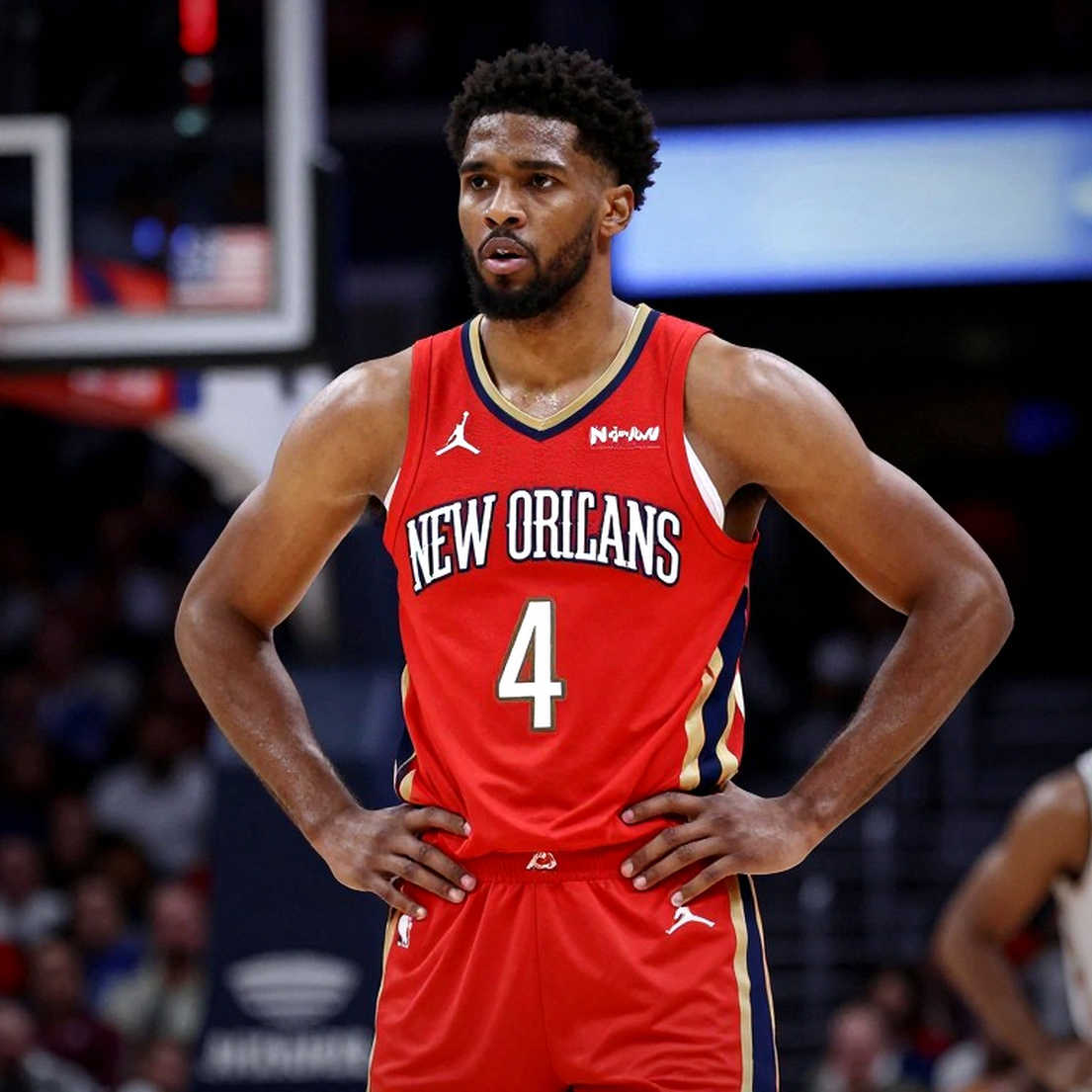
Pick 58. That is the only fact in this story I would stake a claim on. Ariel Hukporti, the 24-year-old center of the Philadelphia 76ers, was selected 58th overall in the 2026 NBA Draft, then went down with an Achilles injury in the first preseason game against the New York Knicks. Immediately after that moment, the headline "Season Over!" flooded every sports aggregator. But when I place pick 58 next to that headline, the distance between them becomes instantly visible. A player taken at pick 58 does not decide the fate of a team chasing a championship. And a headline with no medical report behind it does not decide the fate of a career. Before anyone named it, I had already seen its frame.
Context
Philadelphia entered the season with an unguarded declaration: they are chasing a championship. This past summer, the team added Hukporti — a 24-year-old center, tall, mobile, the archetype of a rim-runner and rim-protector. In the first preseason game, the Sixers beat the Knicks. But a preseason win carries no value in the standings, and it is not what anyone remembers. What people remember is the moment Hukporti went down, on a movement any center makes dozens of times a game.
Three layers need to be separated here. The first is one individual's injury. The second is the consequence for the team. The third is how the story gets told. These three layers carry entirely different weights, and confusing them is the source of every sensational headline.
Hukporti is not a cornerstone. At pick 58, he belongs to the developmental group — players signed at low cost with modest expectations. He signed with the Sixers this summer, most likely on a minimum or two-way deal. For a team operating near the tax line, that is the kind of addition that barely moves the cap sheet. Across 14 years of watching big clubs, I have noticed a pattern: contracts like this are never big news, until the media turns them into big news.
Analysis
I used to run on the court; now I run on charts. And the chart on Achilles injuries says one thing very clearly: it is the most devastating injury for centers who live on athleticism. A rim-runner, a leaper, a lob-catcher — his entire value sits in his first step and his ability to rise. The Achilles attacks exactly that asset. Sports-medicine history shows recovery routinely swallows an entire season, and even upon return, explosiveness rarely comes back intact.
At 24, Hukporti sits at the front edge of his prime years. Centers usually peak later — between 26 and 30 — and decline more slowly than guards. But a player of his mold does not live on experience; he lives on his legs. This is the crux: this injury is not merely a one-season risk, but a risk to an entire career arc.
So what about the Sixers? This is where the headline points the wrong way. Losing a backup center does not collapse a system. It merely exposes a pre-existing problem: how thin Philadelphia's big-man depth is, especially behind a center hierarchy famous for its fragility. The worry is not Hukporti, but the man above him on the depth chart. When the starter rests, people will look down the bench and realize the bench just lost a piece.
Operationally, the consequence fits in one sentence: if the injury is confirmed season-ending, the Sixers can open a roster spot and apply for a Disabled Player Exception, or convert a two-way contract to full. For a minimum-contract player, the cap impact is close to zero. On nights without basketball, I switch to reading every number — and the numbers here all point one way: this is a small personnel event, not a major competitive one.
In terms of the league picture, this event barely shifts the tiers. A pick-58 player is not a variable that reshuffles a conference. The only signal worth noting is that it reinforces the Sixers' familiar image: talent-rich but health-dependent. The preseason result against the Knicks should not be read as a competitive signal, because it carries no standings value.
Contrarian Angle
The viewer sees a play; I see an opening move. And the opening move here is not on the court — it is in how the story is built. One detail made me stop: some sources describe Hukporti as having had a "two-year" stint with the Knicks and the G-League. But a player drafted in 2026 cannot have two years of NBA experience by this point. Either the article is set at a different date, or that figure is wrong, or the source conflated two players. The data needs verification. Miss a name once, and I build my own glossary — and miss a number once, and I rebuild the entire frame.
The second notable thing is the headline's certainty. "Season over" is a medical claim. But no official report from the team or a medical body is cited. In my trade, an unsourced medical claim is a red flag. Aggregators tend to inflate injury news into drama because injuries generate clicks. The presence of "latest news" and "EuroLeague news" links beside the piece shows this is search-optimized content, not a report filed from the press room.
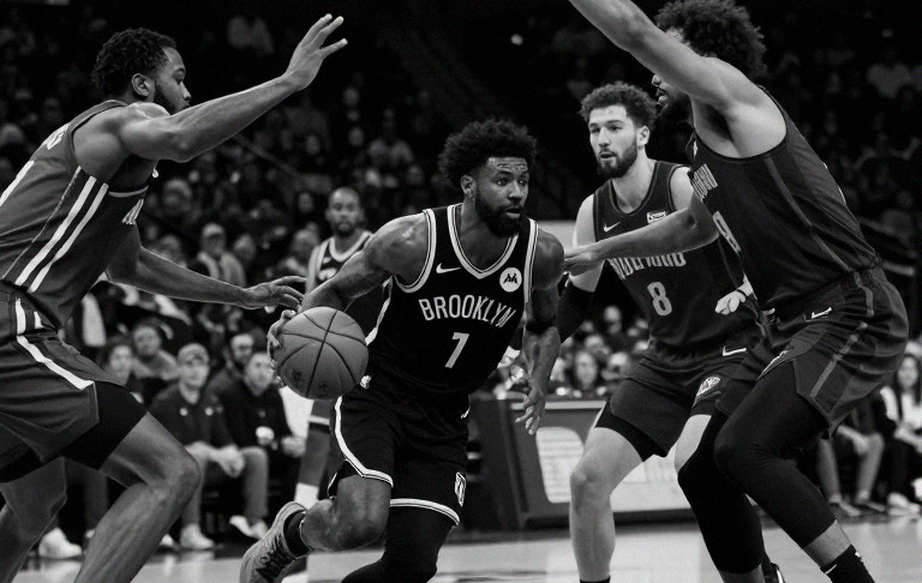
So who truly bears the risk? Not the Sixers. An injured minimum-contract player does not move the cap sheet or change conference tiers. The risk is borne by Hukporti. At 24, facing an Achilles injury, with not a shred of NBA production to fall back on, he is fighting for his career with a lowered athletic ceiling and no contractual security. When the stands are empty, data is the only evidence still speaking — and the data says this man, not his team, is the one who truly loses.
Takeaway
Tactics are not for reading; they are for seeing two moves ahead. Move one: the Sixers will patch the interior with a two-way slot or a minimum contract, and life goes on. Move two: if the starter above Hukporti goes down midseason, Philadelphia will realize that what they lack is not a player, but a system of depth. The question left behind is not "who did the Sixers lose," but "have they prepared for this inevitability." What people call instinct, I call an encoded trace — and the trace here was visible before the season even began.